
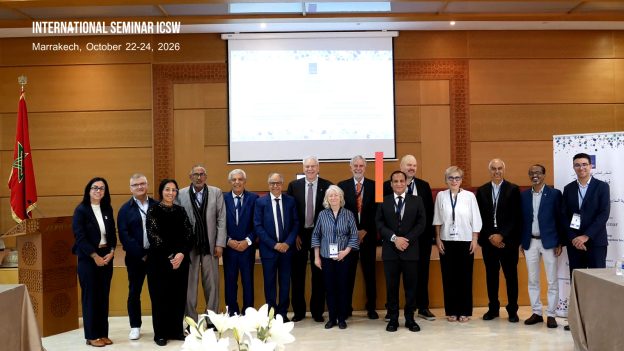
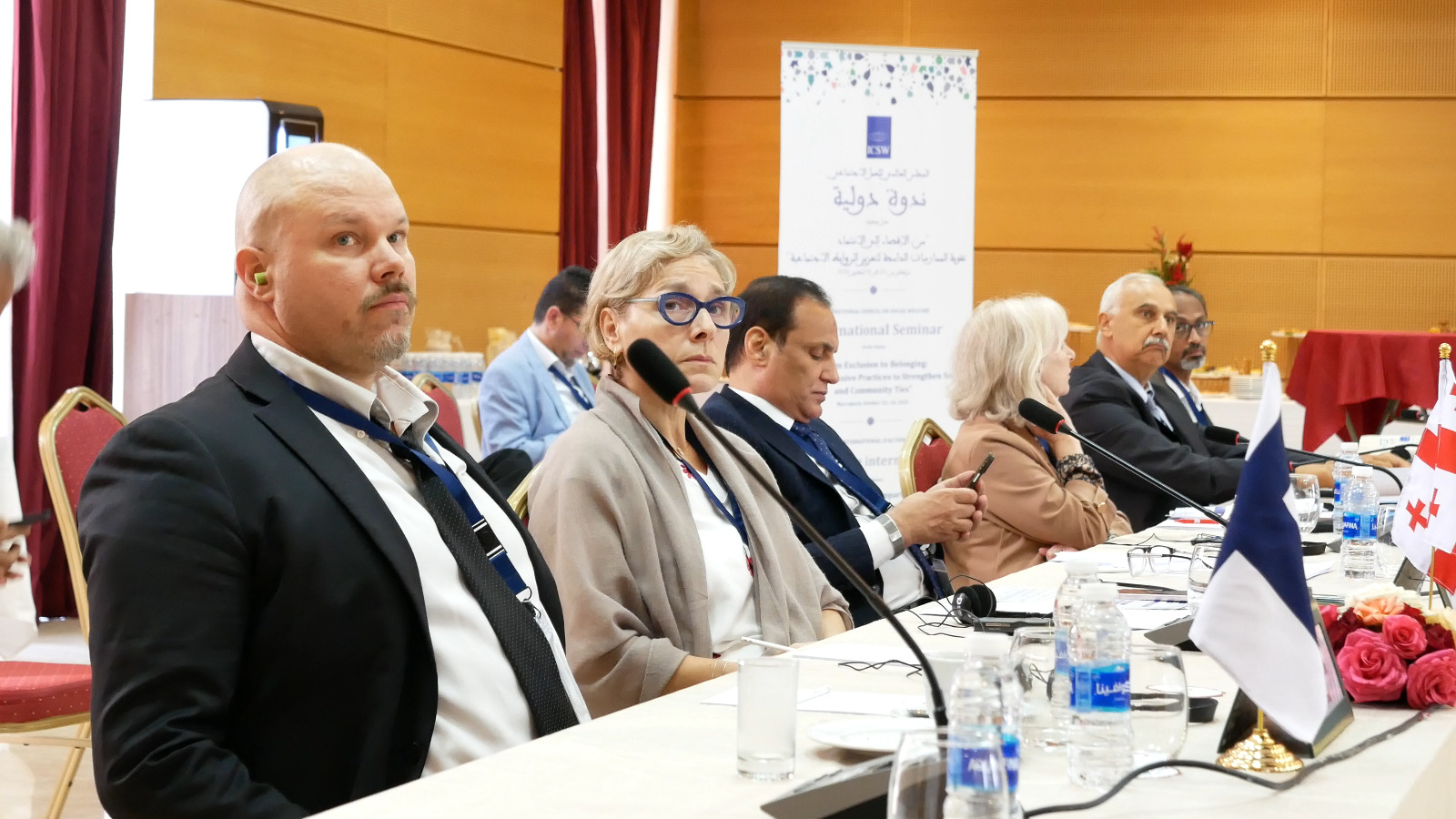
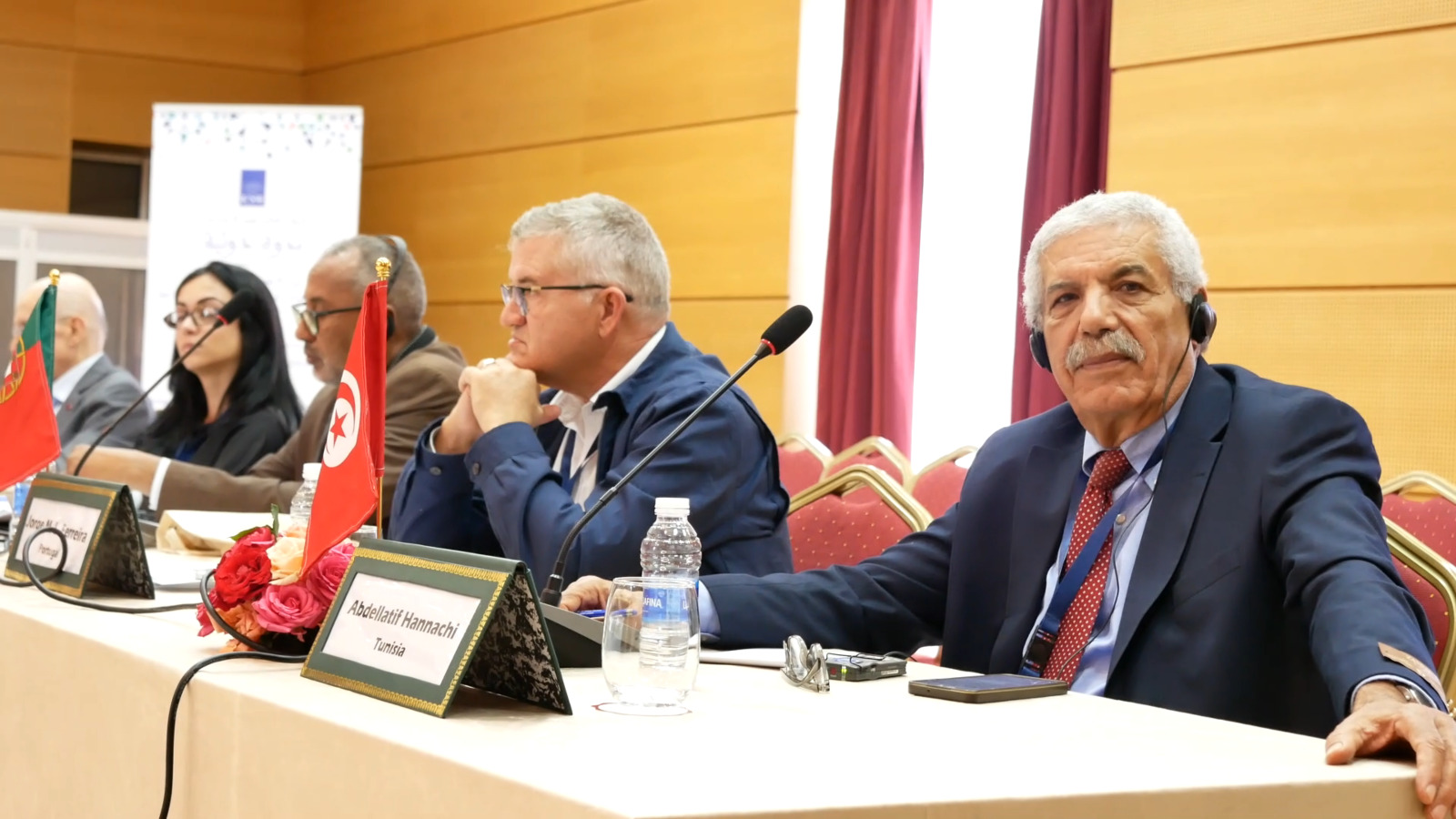
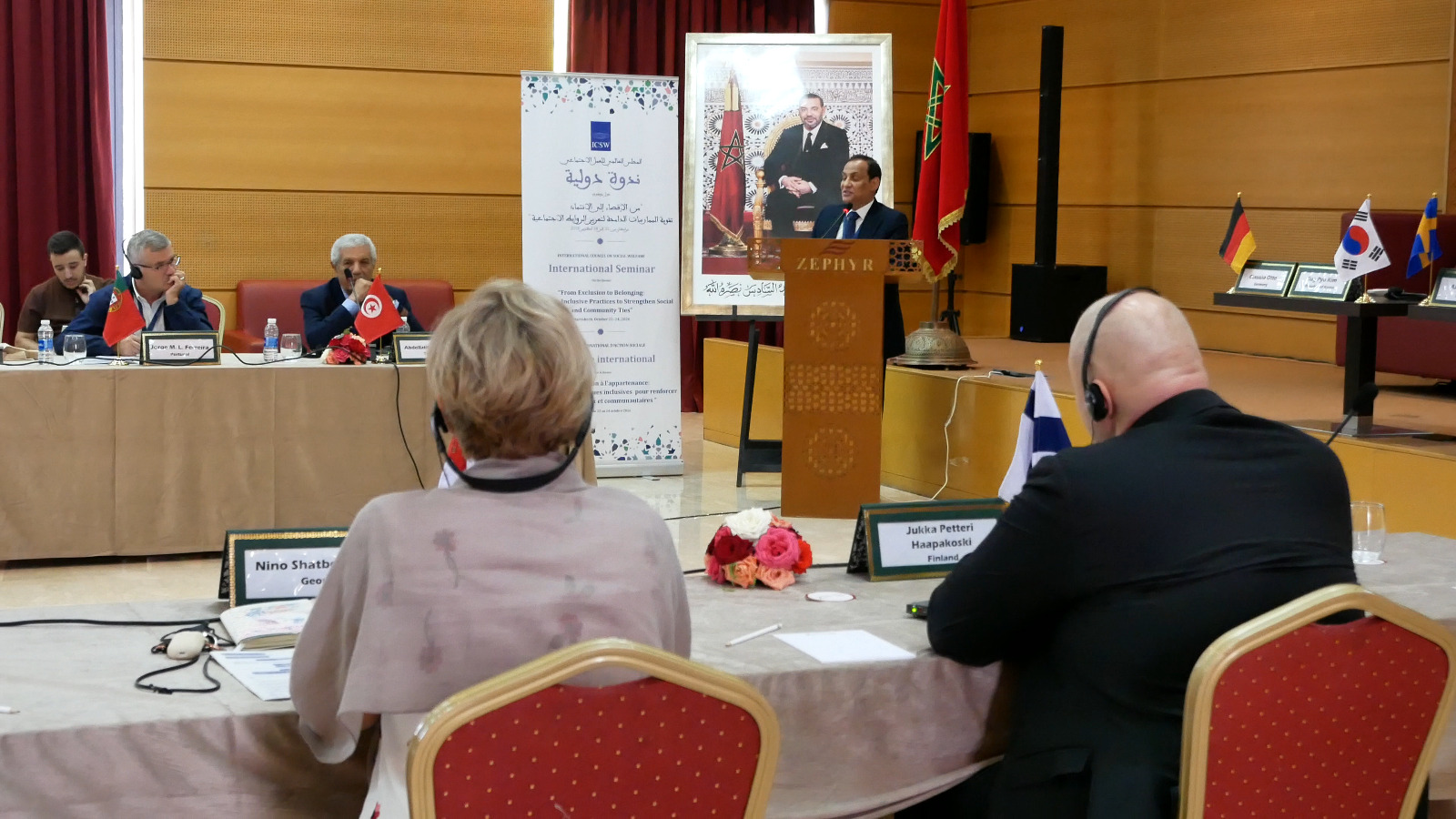
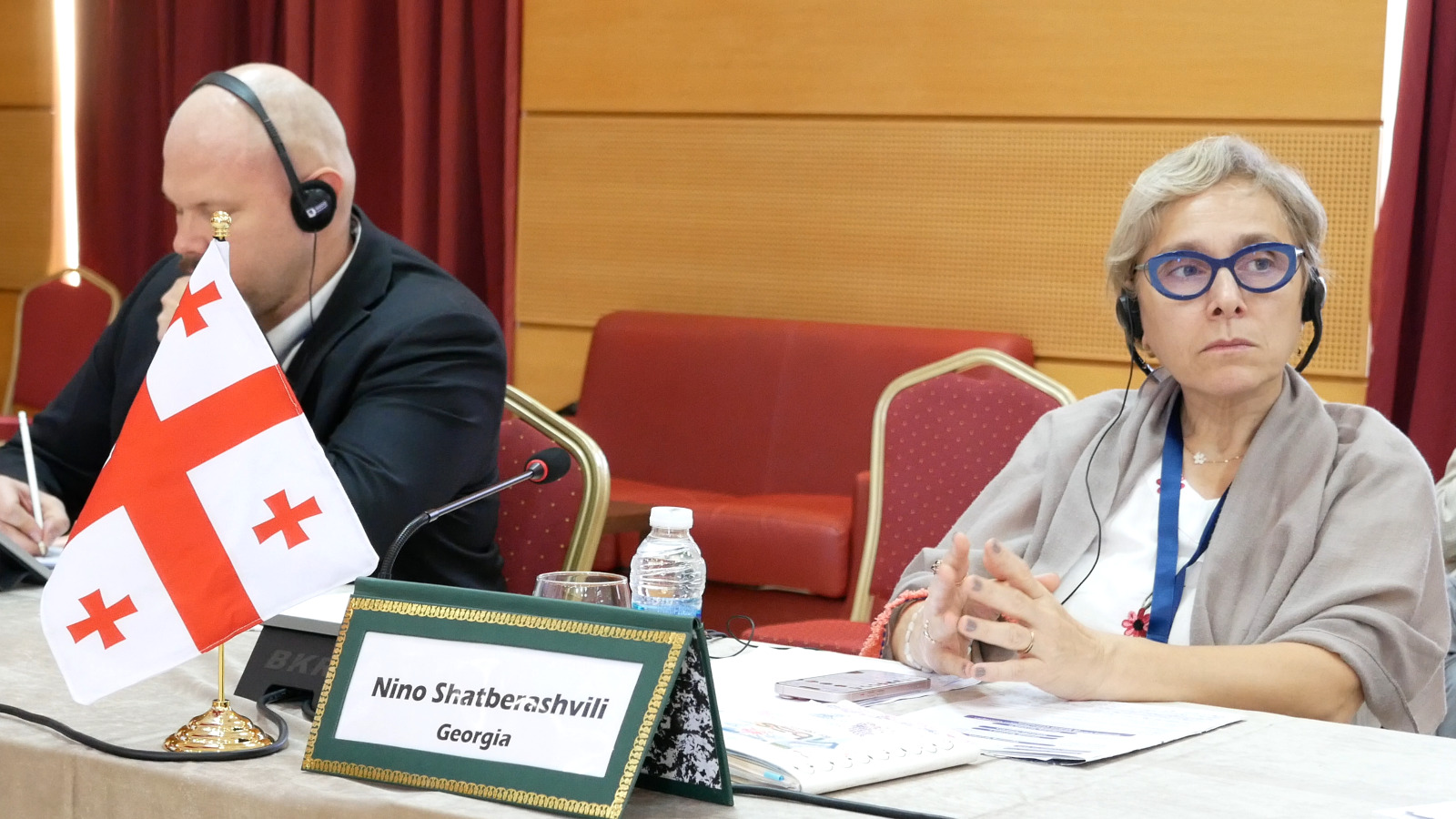
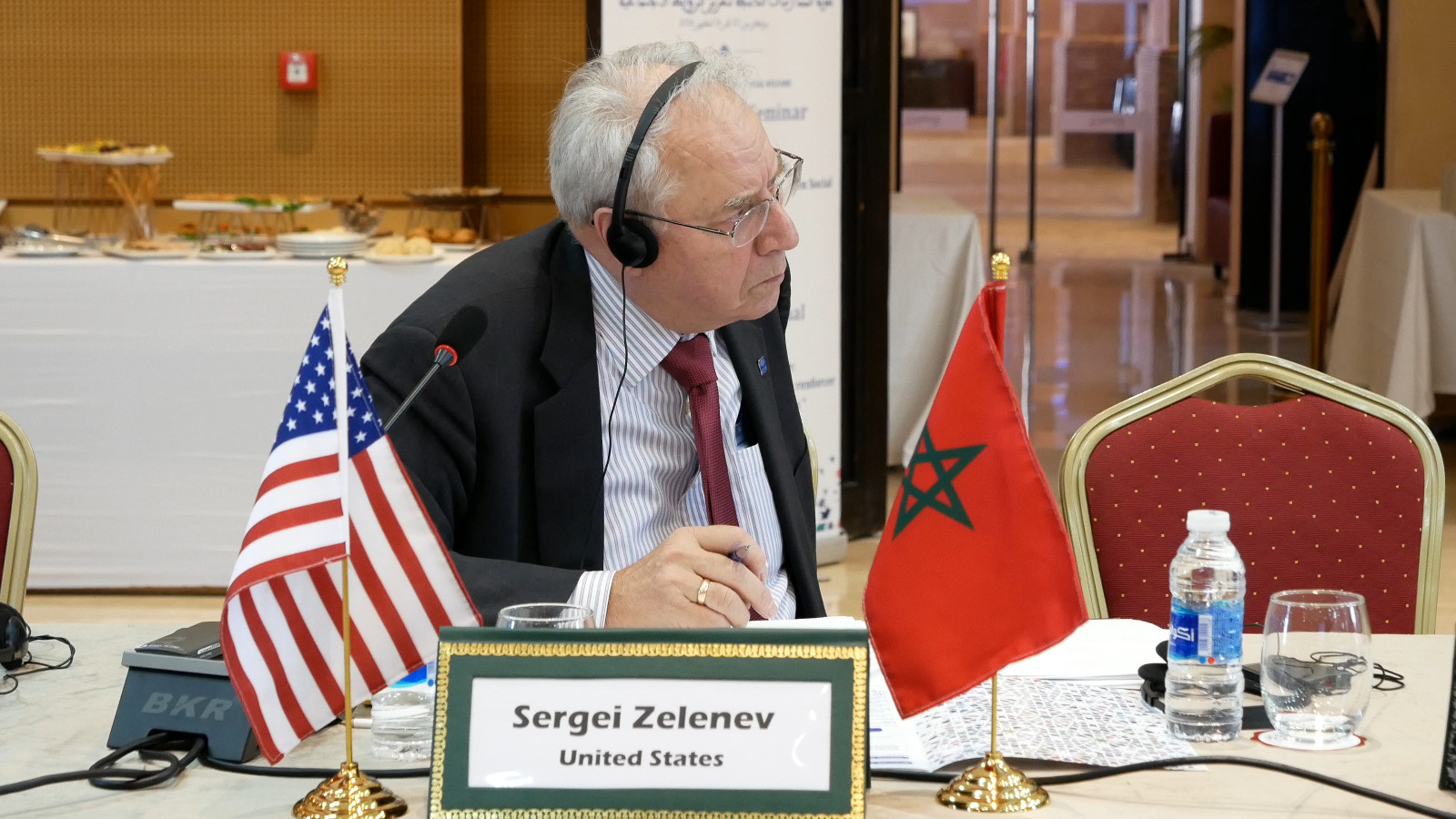
Työttömien Keskusjärjestön toiminnanjohtaja Jukka Haapakoski osallistui Sosten edustajana ICSW:n (International Council on Social Welfare Europe) kokoukseen Marrakechissa, Marokossa 22.–24.10.2026. Kokouksesta julkaistiin erillinen Marrakech-julistus. Työttömien Keskusjärjestö on EAPN-Finin jäsenjärjestö.

Marrakech Declaration
From Exclusion to Belonging
Preamble
We, the participants in the International Council on Social Welfare’s (ICSW) International Seminar “From Exclusion to Belonging,” gathered in Marrakech, Kingdom of Morocco, from October 22 to 24, 2026, at the invitation of the ICSW MENA region, ICSW Europe, and ICSW Global office, together with policymakers, social action and social work practitioners, researchers, academics, and civil society representatives from Europe, the Middle East and North Africa (MENA), Asia, and the Americas;
Express our deep gratitude to the authorities of the Kingdom of Morocco and the city of Marrakech for their warm hospitality.
We thank the Ministry of Economy and Finance, the High Commissioner for Planning, the Wali of Marrakech, the Mohammed V Foundation for Solidarity, the Mohammed VI Foundation for the Promotion of Social Works in Education and Training, the Al Karam Association, and all session chairs, rapporteurs, speakers, and members of the organizing committee for their contributions to the success of this meeting.
Having discussed, during five plenary sessions, practical strategies to address loneliness and social isolation, the role of digital technologies in social inclusion, and the co-production of health and social services;
Having shared national and local experiences from Morocco, Egypt, Tunisia, Mauritania, Lebanon, Germany, Spain, Finland, Georgia, Ireland, Norway, Portugal, Sweden, India, Austria, and the Republic of Korea;
Recognizing that social isolation, loneliness, vulnerability, and exclusion affect individuals and communities across the world;
Recognizing that rapid urbanization, demographic transitions, migration, changing family structures, and the widespread use of digital communication have profoundly transformed how individuals and communities interact and maintain social connections;
Acknowledging that technology offers new opportunities for collaboration and networking but may also exacerbate exclusion when access, digital skills, and trust are unevenly distributed;
Concerned that these challenges disproportionately affect older adults, migrants, refugees, young people, children, persons with disabilities, people living with mental illness, and others at risk of social exclusion; recognising that people living with mental illness may face stigma, discrimination and barriers to care, housing, employment and community life;
Recognizing that [LBH1] social exclusion is often compounded by overlapping forms of vulnerability, including disability, economic insecurity, migration status, and geographic isolation, which can create additional barriers to accessing essential services and participating fully in society;
Aware that the weakening of community ties undermines individual well-being and erodes social cohesion, trust, and collective resilience;
Convinced that economic vulnerability and social isolation reinforce one another and that neither can be addressed sustainably without addressing the other;
Recognizing that [LBH2] structural and institutional barriers within healthcare, education, social protection, and other public systems can further contribute to social exclusion and limit opportunities for meaningful participation;
Recalling the United Nations 2030 Agenda for Sustainable Development and its commitment to “leave no one behind,” as well as International Labour Organization Recommendation No. 202, the Social Protection Floors Recommendation, 2012;
Recalling the Doha Political Declaration, adopted on November 4, 2025, by the Second World Summit for Social Development and endorsed by the United Nations General Assembly in Resolution A/RES/80/5, which calls for building inclusive, equitable, and resilient societies;
Recalling the World Health Assembly resolution “Fostering social connection for global health,” adopted in May 2025, and the report of the WHO Commission on Social Connection, “From loneliness to social connection: charting a path to healthier societies,” published on June 30, 2025;
Recalling the Global Agenda for Social Work and Social Development 2020–2030, “Co-building an Inclusive Social Transformation,” jointly championed by ICSW, the International Federation of Social Workers, and the International Association of Schools of Social Work;
Recalling the ICSW Ronda Declaration 2025 On Meaningful Participation, Inclusive Social Welfare, and Democratic Local Governance jointly championed by ICSW, the International Federation of Social Workers, and the International Association of Schools of Social Work;
Recalling international instruments relating to the rights of children, persons with disabilities, older persons, migrant workers, and refugees;
Reaffirming ICSW’s commitment to inclusive social policies centred on individuals and communities and promoting participation, dignity, and social justice;
Commending the Kingdom of Morocco’s commitment to universal social protection through its major royal initiative and its national initiatives on digital inclusion;
We hereby adopt the Marrakech Declaration.
I. Principles
We affirm that:
- Belonging is a common good. Social connection is a public policy priority, alongside health, education, employment, and housing. Belonging must respect individual choice, cultural identity and diversity, including the right to decline participation without losing access to services or entitlements.
- Dignity is the foundation of belonging. Every person is a rights-holder and an agent in their own life, not merely a beneficiary of services.
- Participation is a right that must be realised in practice. People must shape the policies and services that affect their lives, from design through implementation to evaluation, and They must have a say in the decisions taken.
- Universal social protection underpins social cohesion. Income security, healthcare and universal access to other essential services provide foundations for meaningful social connection and inclusion.
- Digital inclusion must advance human connection and rights. Technology must complement, not replace, human relationships, and uphold accessibility, privacy, trust and user agency.
- Belonging is built locally. Communities, local governments, associations, and neighbourhood networks are vital to fostering inclusion through everyday interactions and collective action.
- Intergenerational solidarity is a resource to be nurtured. Inclusion must embrace the entire life-course recognizing the contributions, rights, and needs of people from childhood to older age.
- Global learning must honour local diversity. Shared knowledge and promising practices must be adapted to local social, cultural, and institutional contexts, not imposed as universal models.
II. Promoting Community-Based Approaches to Belonging: Lessons from International Experience
Effective responses to social isolation and exclusion should draw on international experience with community-development initiatives that enable people to move beyond the role of service recipients and become active participants in neighbourhood life, mutual support, and collective decision-making.
The applicability of these approaches should be explored across national and local contexts, taking into account cultural diversity, available resources, and the specific needs and capacities of communities.
Relevant examples include, but are not limited to, the following approaches:
- Community-led spaces and intergenerational participation. Initiatives enabling older people to establish and manage shared spaces, such as community cafés, gardens, markets, and learning centres, can strengthen social capital, mutual support, and intergenerational relationships. They challenge the perception of older people as merely recipients of care, recognizing them instead as contributors, organizers, and community leaders.
- Relationship-based approaches to overcoming isolation. Community initiatives that foster regular contact, shared experiences, and sustained relationships can help people feel recognized, valued, and included. Such approaches are particularly relevant to addressing loneliness, strengthening intergenerational solidarity, and responding to social fragmentation in urban settings.
- Grassroots initiatives that build trust across social and cultural divides. Locally led projects bringing together people from different religious, cultural, and social backgrounds can promote mutual understanding and community cohesion. Accessible meeting spaces, local leadership, and small-scale funding can help residents develop initiatives that encourage participation and establish lasting connections, including among migrants and other groups at risk of exclusion.
- Accessible neighbourhood institutions and locally led development. Community centres and neighbourhood houses provide familiar, inclusive settings where people can meet, learn, volunteer, exchange skills, and obtain practical support. These institutions can address isolation and barriers associated with disability, unemployment, age, and social disadvantage, while complementing formal social protection and social services. Their effectiveness depends on sustained local engagement and meaningful opportunities for residents to shape activities and priorities.
- Integrating health, social care, and community participation. Approaches such as social prescribing connect people with health and social care professionals and with community groups, volunteering, cultural activities, exercise, practical assistance, and other non-clinical resources. Such approaches recognize that overcoming social isolation may require not only personal connections but also support in addressing financial, physical, cultural, and other barriers to participation.
- Caring for the well-being of people in both in-person and virtual communities, leveraging digital tools and AI to foster inclusive and nurturing social connections, respecting human rights, and reducing isolation, social exclusion, and digital vulnerability.
These examples demonstrate that belonging means more than the absence of loneliness or social isolation. It involves being recognized and respected, developing meaningful relationships, having a voice in decisions that affect one’s life, and being able to contribute to and participate in the wider community.
They document and emphasize the outcomes of community-led initiatives, share the evidence and provide reliable funding. These initiatives should complement formal social protection and care systems. They cannot replace adequate income, housing, health care or professional support. Address the practical barriers that prevent people from taking part, including transport, costs, inaccessible premises and lack of personal support.
The ultimate objective is to move beyond fragmented responses to isolation towards inclusive communities in which people of all ages and backgrounds are recognized as valued participants, contributors, and partners in shaping collective well-being.
Hence, we call for international cooperation to identify, adapt, and scale up effective community-based approaches that strengthen social connections, mutual support, and inclusive participation. Governments, local authorities, social services, civil society organizations, and communities themselves should work together to create enabling conditions for such initiatives. People experiencing exclusion must have a meaningful role in their design, implementation, and evaluation.
III. Designing Supportive Communities and Neighbourhoods
We recommend:
- Recognize loneliness and social isolation as public policy concerns by integrating them into national and local strategies for social development, health, housing, and land-use planning.
- Integrate social connection into urban planning and housing by creating safe, accessible public spaces and local gathering places that encourage social and intergenerational interaction, while ensuring accessible mobility, particularly in rapidly urbanizing areas and urban peripheries.
- Anticipate demographic change including population ageing, changing family structures, and internal and international migration when planning social services and local amenities, drawing on data from national and local statistical systems.
- Recognize and support community resources that are often overlooked, including neighbourhood networks, family caregivers, volunteers, neighbourhood associations, and traditional forms of mutual aid, such as touiza in the Maghreb.
- Promote ageing with solidarity through integrated approaches combining social protection, home care, community-based services, and measures to prevent the isolation of older adults, particularly where family ties are weakening.
- Strengthen community outreach and connections by training community social workers, mediators, and establishing pathways that link isolated people with community, cultural, sporting, and volunteering activities.
- Identify and address social isolation through local assessments involving local governments, social services, health services, and community organizations, while respecting individual privacy and community rights.
- Design digital technologies and AI to strengthen human rights, social inclusion, and the well-being of the population
IV. Harnessing Technology to Foster Human and Social Connections [LBH3]
We recommend:
- Make digital inclusion a core component of social policy by expanding affordable access to devices and connectivity, particularly in rural areas and disadvantaged suburban neighbourhoods, and providing accessible, locally available human support.
- Invest in lifelong digital skills, with particular attention to older adults, persons with disabilities, rural women, and people with limited literacy.
- Ensure that the digitization of public and social services does not create new forms of exclusion. Maintain accessible, multilingual, in-person services and non-digital alternatives, ensuring that people can obtain assistance when needed.
- Ensure the responsible use of artificial intelligence and data in social protection, including social registries, targeting, and benefit allocation, by upholding transparency, fairness, personal data protection, human oversight, and effective avenues for review and redress. Decisions affecting access to essential benefits or services must not be made solely through automated systems. Digital monitoring must not be a condition of access to essential support.
- Use technology to strengthen rather than replace social bonds, including through neighbourhood platforms, telecare, tools for civic participation, and online mutual-aid networks connected to human support.
- Protect children and young people from digital risks, including cyberbullying, exploitation, misinformation, and social withdrawal, through media literacy, appropriate safeguards, and accountability for digital platforms.
- Involve communities in the design of digital tools so that innovation responds to people’s actual needs and earns their trust.
V. Co-producing Health and Social Services [LBH4] [LBH5]
We recommend:
- Make co-production a guiding principle in service provision by involving people using services, families, professionals, and organizations in identifying needs and designing, delivering, and evaluating services. Give people with lived experience a share in decision-making. Pay them for their contribution and provide accessible information, reasonable accommodations and any support they need to take part. Report back on how their input has shaped decisions. Involving families and professionals must respect the person’s wishes and consent.
- Strengthen community social work by supporting the social work profession, improving initial and continuing education, and ensuring staffing levels and working conditions that respond to actual needs. Ensure access to timely, affordable, rights-based mental health care and community recovery support, including peer support and support for families and carers.
- Measure inclusion as people experience it by developing and using scientifically validated indicators of social connection, loneliness, and belonging, and incorporating them into local and national statistics and programme evaluations. Work with people with lived experience to choose measures and interpret the findings. Ask whether they feel respected, can make choices and have a say in decisions.
- Protect children through prevention and risk reduction, ensuring that refugee and migrant children have effective, non-discriminatory access to social protection, education, and health care.
- Expand pathways to inclusion for young people through decent work, appropriate vocational training, civic engagement, and participation in decision-making, particularly for those not in employment, education, or training.
- Expand health coverage and social protection to workers in the informal economy and people in rural areas, combining cash benefits with appropriate support services.
- Support family caregivers and older adults experiencing economic vulnerability through recognition of their contributions, access to social rights, training, and meaningful opportunities to participate in community life.
- Put dignity at the heart of inclusion strategies by combating stigma, simplifying administrative procedures, and reducing the non-take-up of social entitlements.

VI. Calls to Action
We call on:
- Governments to adopt national strategies and support local implementation to foster social cohesion and address isolation through coordinated policies on social services, health, housing, education, and digitalization, while ensuring access to universal social protection floors and sustainable funding for community participation.
- Local governments to make neighbourhoods places where people can experience belonging by assessing social isolation locally and involving residents in decision-making.
- Civil society organizations to strengthen mutual-aid networks, amplify the voices of people affected by exclusion, and build lasting partnerships with public authorities.
- Universities and research centres to generate comparative evidence from Europe and the MENA region, evaluate interventions, and educate and train social work professionals.
- The private sector and digital industry stakeholders to design accessible and inclusive services, protect personal data, and fulfil their social responsibilities.
- International and regional organizations to integrate social cohesion into the monitoring of the Sustainable Development Goals and the Doha Political Declaration, and to support North–South, South–South, and triangular cooperation in social development.
VII. Commitments and Follow-up
ICSW, its regions, and its members commit to:
- Disseminate this Declaration in French, English, Spanish, and Arabic to governments, international organizations, and their networks.
- Compile a collection of inclusive practices from Europe and the MENA region, documenting experiences presented in Marrakech and identifying the conditions necessary for their adaptation and transfer to other contexts.
- Facilitate a Europe–MENA mutual-learning network on social cohesion and belonging, open to participation from other ICSW regions.
- Advocate for the conclusions of the Marrakech meeting in international forums, particularly the United Nations Commission for Social Development and processes following up on the Doha Political Declaration.
- Incorporate this work into the Global Agenda for Social Work and Social Development 2020–2030, in collaboration with partner organizations.
- Publish an implementation plan within six months of adoption, identifying clear responsibilities, key outcomes, and resource allocation. The ICSW Global office should coordinate this work with its regions and members.
- Review progress in implementing this Declaration by the 100th anniversary of ICSW’s founding, to be marked in Paris in June 2028. [LBH6] [LBH7]
Adopted by participants at the ICSW International Seminar, Marrakech, October 23, 2026.
- LBH1. I would suggest acknowledging that individuals may experience multiple, overlapping forms of vulnerability. For example, disability, economic insecurity, migration status, and geographic isolation can interact in ways that make accessing social services particularly challenging. This would reinforce the need for coordinated responses.
- LBH2. I would encourage us to acknowledge that social exclusion is not solely a matter of weakened social connections. Barriers within healthcare, education, social protection, and other public systems can also contribute to isolation. Recognizing these structural dimensions would strengthen the declaration’s approach to inclusion.
- LBH3. I strongly support this provision, but would recommend greater specificity regarding automated decision-making in public benefits and social services. Individuals should have meaningful opportunities to understand, challenge, and correct decisions affecting their access to essential services. Human oversight should be substantive rather than merely procedural.
- LBH4. I strongly support the emphasis on co-production. One potential addition would be to recognize the importance of incorporating lived experience throughout the policy development process, including implementation and evaluation. This would help ensure that participation translates into meaningful influence over services and outcomes.
- LBH5. I think this could easily integrate into the ”Measure inclusion as people experience it” point.
- LBH6. From an implementation perspective, I would recommend identifying an interim reporting process and clearer responsibilities for following up on these commitments. Otherwise, there is a risk that the declaration becomes aspirational without a mechanism to demonstrate progress.
- LBH7. Maybe add something like: ”Establish a voluntary annual progress update documenting initiatives undertaken by ICSW regions and members, lessons learned, implementation challenges, and opportunities for collaboration ahead of the June 2028 review.”